How to Make Money With ClickBank: 2026 Ultimate Guide
Learn how to make money with ClickBank in 2026. Master the new gravity algorithm, build high-converting bridge pages, and use modern traffic strategies to scale.
Start here hub: the first decisions that set the ceiling on everything you build afterwards.
Two choices do most of the work in the first month: the niche, and the hosting. A niche without active buyer intent cannot be rescued by better writing later, and hosting chosen on headline price becomes the thing you migrate away from at exactly the moment traffic starts to matter.
The order that works. Validate demand and offer quality before you register a domain. Set the site up once, properly, rather than rebuilding at fifty pages. Then publish a connected set of posts covering one decision completely, instead of scattered articles across unrelated topics — depth is what earns rankings and citations; breadth is what dilutes them.
The Start Here roadmap — the full sequence, free, no email required
Criteria for profitable affiliate niches
How to choose your niche
How to choose a web host
Your first 10 affiliate blog posts — exactly what to write
We do not publish income timelines. How long this takes depends on niche competition, publishing consistency, and how well your pages match commercial intent — anyone quoting a precise figure is guessing.
From idea to operating system
Start affiliate marketing by choosing one audience, validating a problem-rich niche, building a trustworthy platform, publishing decision-support content, joining relevant programs, and measuring qualified behavior. Avoid guaranteed-income promises, mass-produced review pages, and tools purchased before the workflow needs them.
Choose the right path
Follow the full responsible path from audience definition to measurement.
Open guide →Evaluate demand, merchant depth, proof burden, risk, and content runway.
Open guide →Match hosting to platform, reliability, performance, support, and cost requirements.
Open guide →Launch a connected content set instead of isolated reviews.
Open guide →Operating framework
Describe the reader, outcome, constraints, questions, and purchasing decisions.
Confirm useful demand, merchant depth, evidence access, differentiation, and maintenance capacity.
Set up the platform and publish identity, contact, privacy, editorial, methodology, and disclosure pages.
Connect foundational guides, tutorials, comparisons, reviews, and post-purchase support.
Apply with real content and verify terms, attribution, payment, restrictions, and product fit.
Use people-first SEO plus one sustainable channel and permission-based email where appropriate.
Track eligibility, qualified visibility, useful progression, clicks, network outcomes, and concentration risk.
Google and AI-search quality guardrails
Quality basis: Google Search spam policies, people-first content guidance, and Google AI features guidance.
Direct answers
Some channels have low cash costs, but responsible publishing still requires time, production, verification, disclosure, and maintenance. A website usually adds domain and hosting costs.
No, but a website provides an owned, organized content library. Video, social, and email can complement or replace it depending on the audience and program rules.
Choose a defined audience and problem set you can explain accurately, with durable questions, several reputable programs, and enough depth for connected content.
Add them when a relevant recommendation helps the reader, the program permits the placement, the relationship is disclosed, and the page remains useful without the link.
Learn how to make money with ClickBank in 2026. Master the new gravity algorithm, build high-converting bridge pages, and use modern traffic strategies to scale.
Discover the 5 best business models to make money online in 2026. Learn to leverage scalable systems, high-profit digital products, and affiliate marketing.
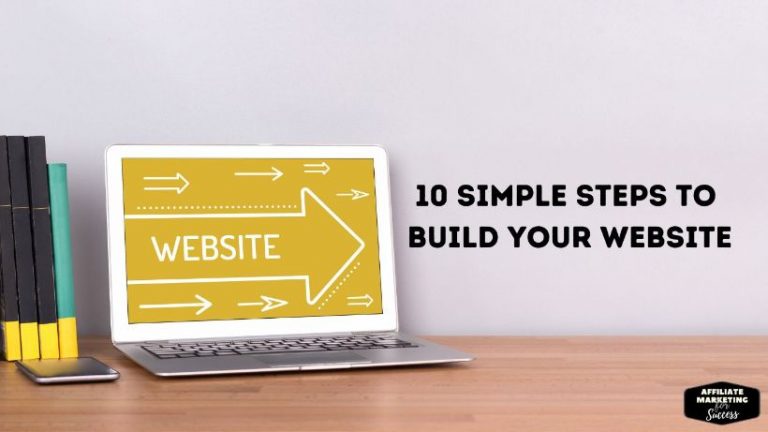
Follow our 10-step guide to build a professional website in 2026. Learn about WordPress, hosting, SEO, and launch strategies for beginners in under 2 hours.
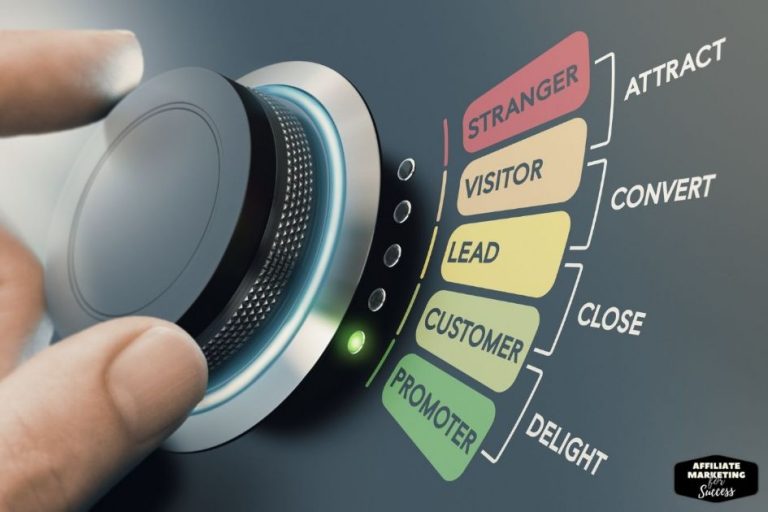
Master sales funnel optimization in 2026. Learn the Asymmetric Funnel Leverage framework to reduce friction, increase CLTV, and boost conversion rates with ease.
Learn how to choose a profitable affiliate niche with our 7-step 2026 strategy. Find high-demand, low-competition markets and start earning commissions fast.
Register your domain name in 7 minutes. Our 2025 guide covers TLD choice, SEO impact, trademark checks, and connecting your domain to top affiliate hosting.
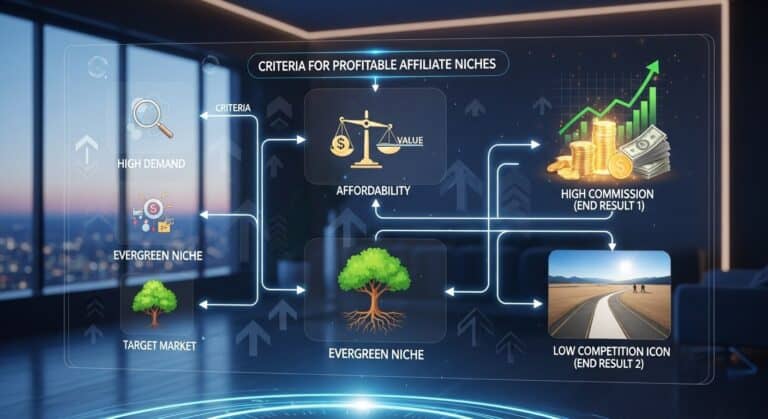
Master the 7-point profitable affiliate niche criteria checklist. Learn to evaluate buyer intent, recurring commissions, and SEO competition for long-term success.
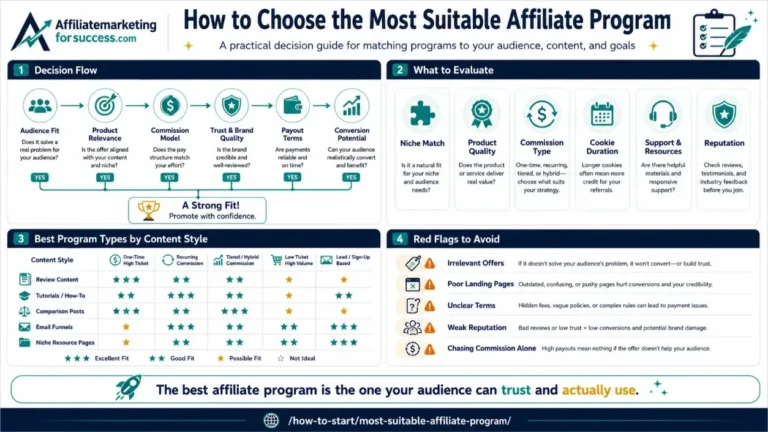
Discover how to find the best affiliate programs in 2026. Master the T.R.U.S.T. framework, evaluate commissions, and use the right tools for sustainable income.

Stop overpaying for web hosting. Learn the truth about hidden costs, “unlimited” bandwidth myths, and how to choose the right hosting for your WordPress site in 2026.

Master the 3-part algorithm of a successful online entrepreneur: irresistible offers, distribution engines, and systems scaling for exponential 2026 growth.